
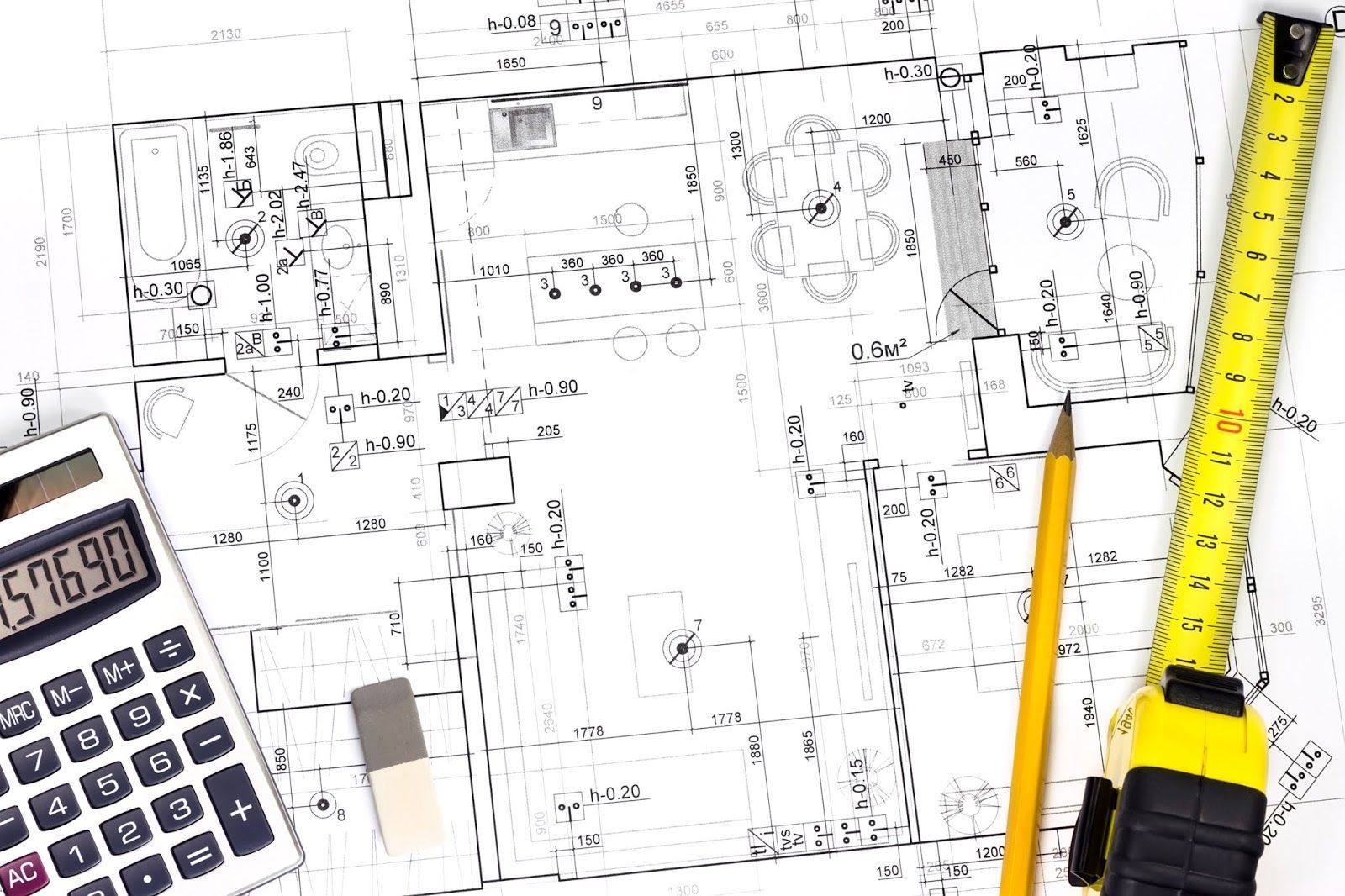
At The Primestone Group, we understand the construction process inside and out. Too often, cost estimators are brought in after the design has been finalized, leading to redesigns and delays. To avoid this, an effective strategy is bringing in a cost estimator on board right at the beginning. This isn’t just best practice, it’s how The Primestone Group guarantees budget confidence for your project. Early Cost Involvement Engaging cost estimators at the start of a project provides benefits including: Risk Mitigation: Identifying cost drivers early prevents surprises later on. We can flag materials or scopes that present budget threats. Informed Decision Making: Early estimates allow for multiple design concepts against targeted budgets before too much time is invested. Value Engineering: Providing the team early analysis on different systems, materials and options. The Primestone Way At The Primestone Group, our team acts as proactive partners. We help the design team stay on budget by having constant communication with the team throughout the life of the project. Our team has access to in-depth cost data bank and “real time” cost and production information. We work closely with local contractors and vendors for instant market feedback. This allows us to accurately forecast costs, anticipate price hikes, address supply issues, and secure accurate pricing for major equipment. Ready to discuss your next project? Connect with our Senior Vice President, Kirk Miller

As the season of giving approaches, we want to share a story of hope and need from a community fighting for safe passage every single year. For months, members of The Primestone Group have volunteered their time alongside Engineers Without Borders DC to tackle a problem in the rural village of Dumangbe, Sierra Leone. Pro bono services provided included expert cost estimating and contract review services for the design of a permanent and resilient bridge. Imagine a village that watches its lifeline disappear under raging water year after year. Every rainy season, the floods return, cutting off Dumangbe's children from their schools, isolating the sick from vital hospitals, and preventing families from reaching essential markets. It's a terrifying disruption to life, health, and opportunity. In April 2026, Shantel Evans, The Primestone Group's President will be boots on the ground, traveling to Dumangbe to help with the physical construction and pouring of the culvert. We need your help to turn this hope into reality. This #GivingTuesday, we ask you to take a moment and feel the weight of this impact. Your contribution will provide safe access for every man, woman, and child in Dumangbe. Help us build this lifeline and ensure the people of Dumangbe can reach where they need to go, year-round, without fear. Every dollar brings a community closer to safe access. Give today
By: The Primestone Group

Ever wonder what makes the client experience at The Primestone Group so special?
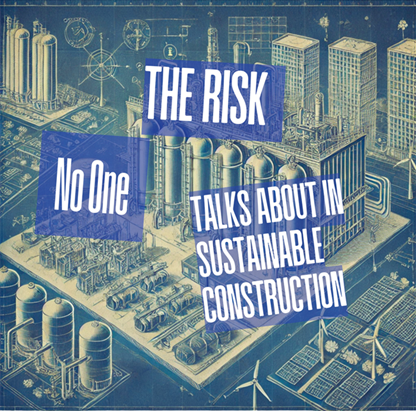
The construction industry is continuing to rush toward sustainability, and for good reasons. Green hydrogen projects, carbon-neutral goals, and net-zero initiatives are changing the landscape of construction and infrastructure development. But beneath the momentum is a quiet truth: sustainable projects carry risks that are often underestimated or misunderstood. For example, new technology, unproven systems, aggressive timelines, and evolving regulations create a risk profile unlike anything seen in traditional construction. Some projects are becoming R & D hot beds. Ignoring these realities is not just a strategic mistake. It is a financial and operational one. Real-World Complexity: Lessons from Green Hydrogen Projects Consider the Intermountain Power Project in Utah, a major initiative transitioning a coal-fired power plant to a green hydrogen hub. The project is pioneering in scope and ambition, but it also highlights several unavoidable realities: Green hydrogen production and storage at this scale are untested over long timelines New transmission systems must integrate with older infrastructure Future-proofing contracts and risk plans must account for technologies that are still evolving Labor, materials, and supply chains are more volatile than traditional builds A new type of skilled labor is required to construct, test and commission these types of projects These are not problems of technical execution alone. They are strategic project risks that must be recognized, modeled, and managed early. Where Sustainable Projects Face Hidden Risks Sustainability goals add layers of risk that traditional project delivery models are not designed to handle. Key areas include: Technology Uncertainty Many green technologies such as hydrogen, carbon capture, and advanced storage are not yet proven at commercial scale. Forecasting performance, maintenance costs, and long-term reliability carries significant uncertainty. Capital Cost Volatility Specialized materials and systems are subject to extreme price fluctuations. Inaccurate early estimates or unrealistic escalation assumptions can undermine project financing and viability. Schedule Disruptions Sourcing renewable energy inputs, specialized components, and skilled labor often extends lead times and introduces new dependencies. Aggressive timelines set during the planning phase can quickly become unrealistic. Regulatory Shifts Policy environments for green energy are rapidly evolving. Regulatory delays, permitting issues, and changes in incentive structures can disrupt projects midway. Dispute and Claims Potential Complexity breeds disputes. As technologies change mid-project or new risks emerge, contract interpretation and scope management become flashpoints for potential claims. What High-Performing Green Projects Get Right Successful sustainable projects are not just well-designed. They are well-prepared. Leading developers and owners are implementing risk management strategies that include: Detailed risk workshops at feasibility and pre-construction stages Early involvement of all project stakeholders including regulatory bodies and permitting officials Adaptive contracting models that anticipate technology shifts Integrated project controls that monitor evolving cost and schedule risk Realistic scheduling buffers based on emerging supply chain realities Early identification of potential claims exposures and dispute resolution frameworks Adequate contingency planning in terms of costs, alternative solutions and schedule criteria Risk is no longer a static checklist. It is a dynamic, ongoing exercise that requires expertise, discipline, and constant recalibration. Looking Ahead: Building Smarter, Not Just Greener The future of construction will absolutely be greener, but building smarter requires recognizing that innovation without discipline is a liability. Sustainability must be matched with rigorous project planning, expert risk analysis, and contractual structures flexible enough to manage uncertainty. Projects like Intermountain show what is possible. They also show that success is about more than ambition. It is about understanding where the real risks lie and having the operational expertise to manage them before they become crises.
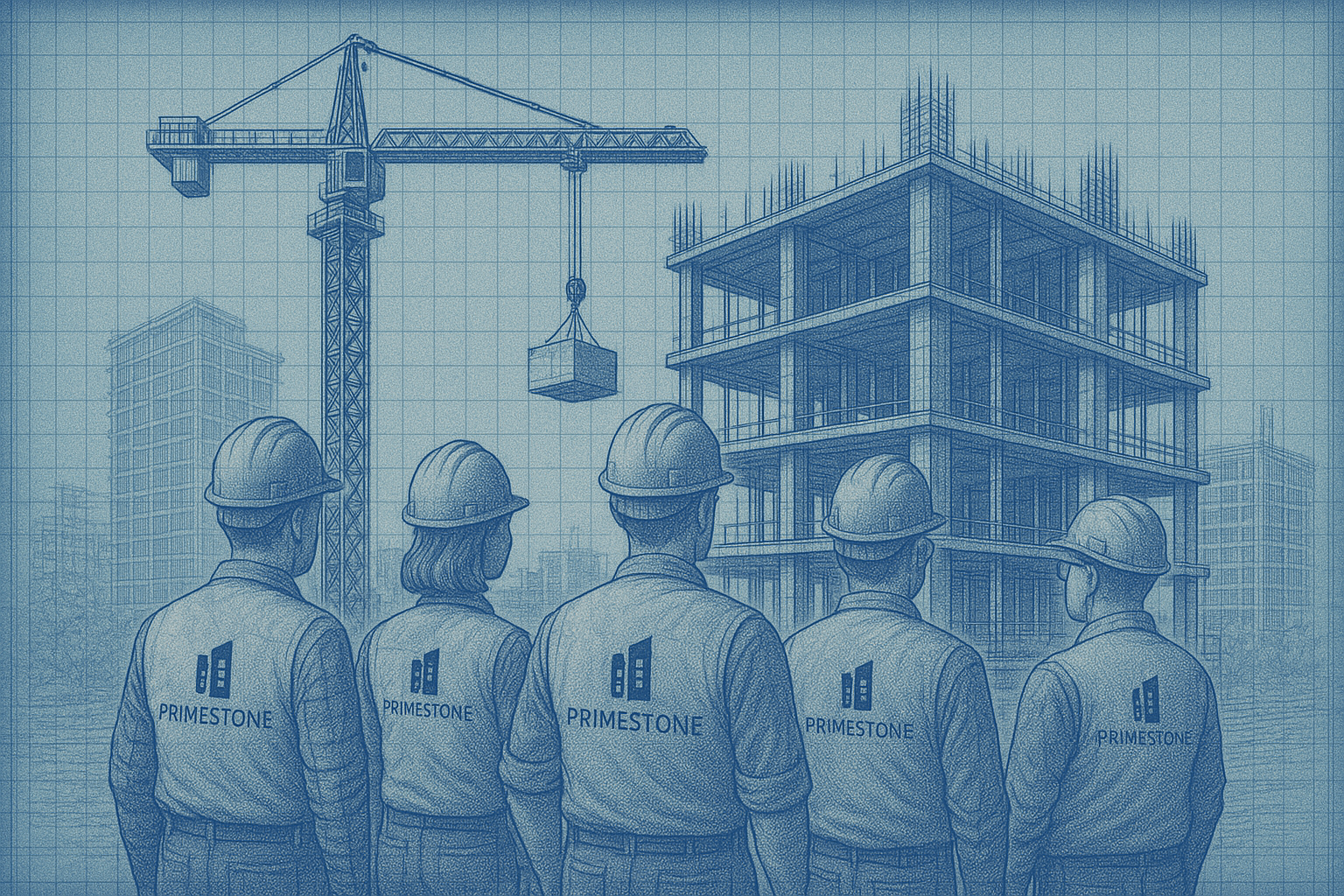
Labor Shortages, Apprenticeships, and the New Reality Impacting Construction Costs
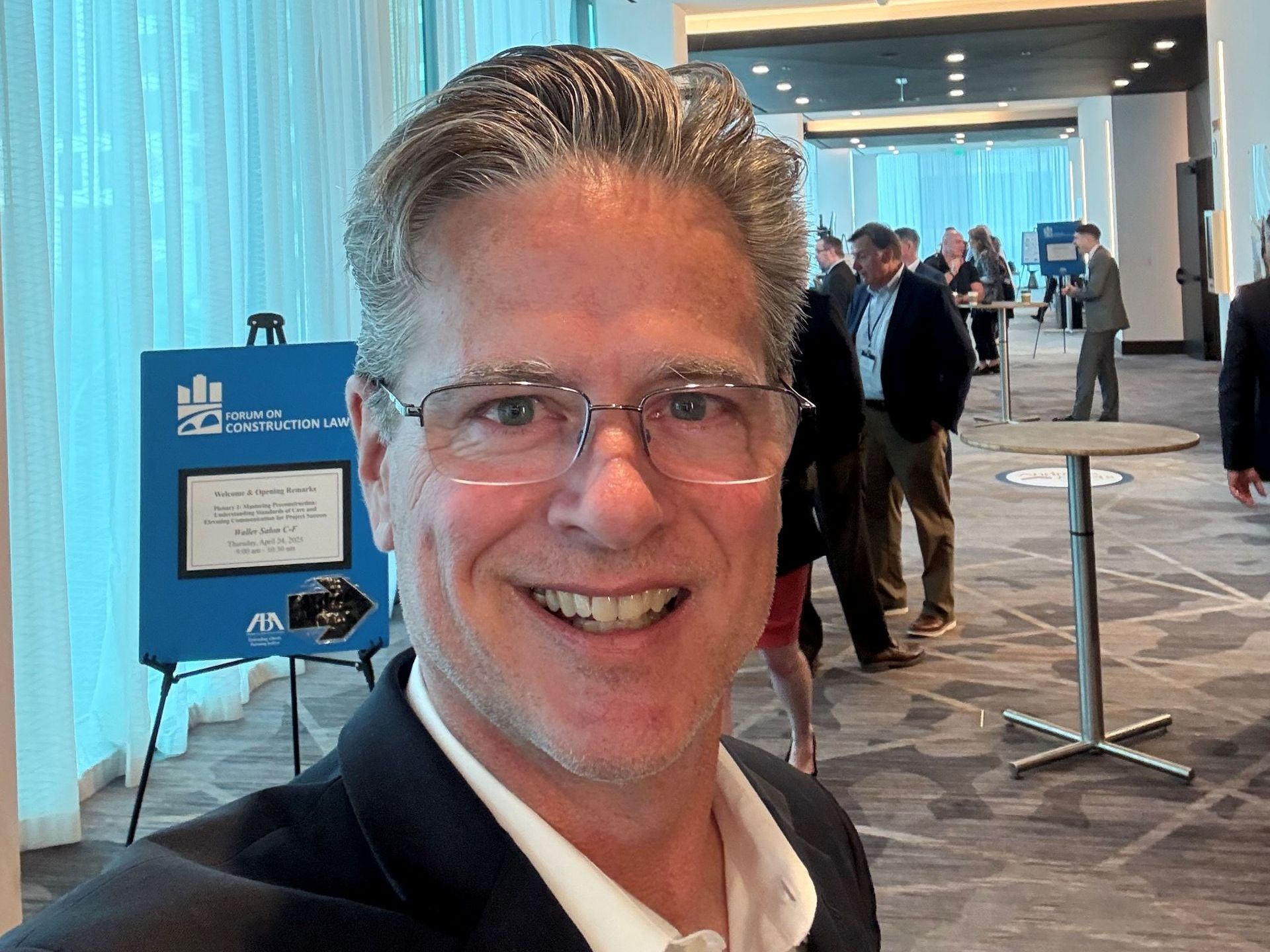
By: Dan Copeland, Senior Business Development Executive

Cost Estimation in the Age of AI: Revolutionizing or Risking Accuracy?
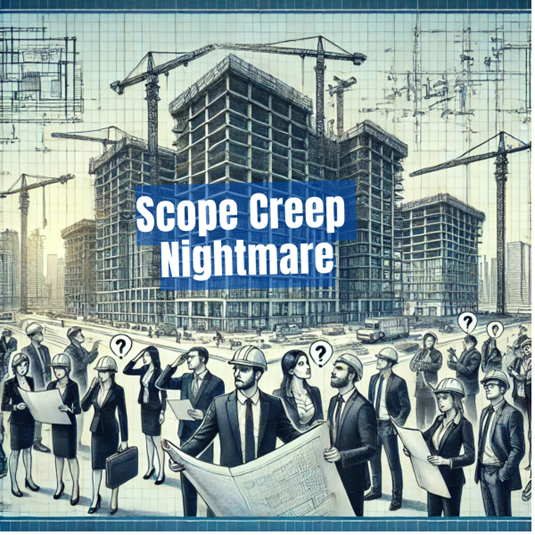
5 Strategies to Avoid the 'Scope Creep' Nightmare